Let’s talk copying…
Copying, in the photography industry, sadly takes many forms. Sometimes it’s the simple and blatant theft of an image, sometimes it’s copying someone else’s set-ups, style, website, adverts…there’s a fair amount if it about.
Chances are, if you’ve been in the industry for any length of time, it’s likely that you’ve had your work copied in one way or another…

USING OTHER PHOTOGRAPHERS’ WORK, OR IMAGE THEFT
Most photographers beyond a certain number of years’ experience have had their work used by other “photographers” to advertise their own work. In some circles it’s seen as a rite of passage and a photographer “should feel flattered that their work was deemed good enough” – which, frankly speaking, is utter tripe. It’s unethical, outrageous and wrong.
Here’s the long and short of it…
Taking other people’s work and passing it off as your own is
a) Theft
b) Lying to potential clients.
The excuses and reasons for stealing other photographers’ work for your own adverts or portfolio don’t wash – ever. If it’s meant to be an example of what you can do, why not just do it yourself and use your own work? And what’s going to happen when clients book you on the basis of the work you’ve untruthfully put forward as your own, and you don’t/can’t come up with the goods?
You’re going to fall spectacularly flat on your face. Poor reviews, potential legal action, financial backlash, and trampling over your own industry.
Just Don’t.
COPYING STYLE
Copying other people’s work has been going on for centuries…aspiring artists and art students were encouraged, in some cases required as part of their education, to copy great works of art with the goal of learning and improving. The act of doing, of following in the paths of the knowledgeable and accomplished, was regarded as an essential part of learning the craft, far superior to theory-based chalk-and-talk. Doing is how we learn.
So where’s the problem?
The problem comes when the output from copying-by-doing is passed off as the copying photographer’s own work…which it isn’t. It’s something we see a lot of in social portraiture – one photographer comes up with a new idea and then lots of others jump on the bandwagon and do the same thing. That, or someone comes up with a new prop, does something eye-catching, and then every other photographer’s doing the same thing. You could argue that it’s less of an issue than taking someone’s actual work, but equally you can argue that it dilutes the industry and takes the shine off the original photographer’s originality.
But Snap, what about using other work as inspiration?
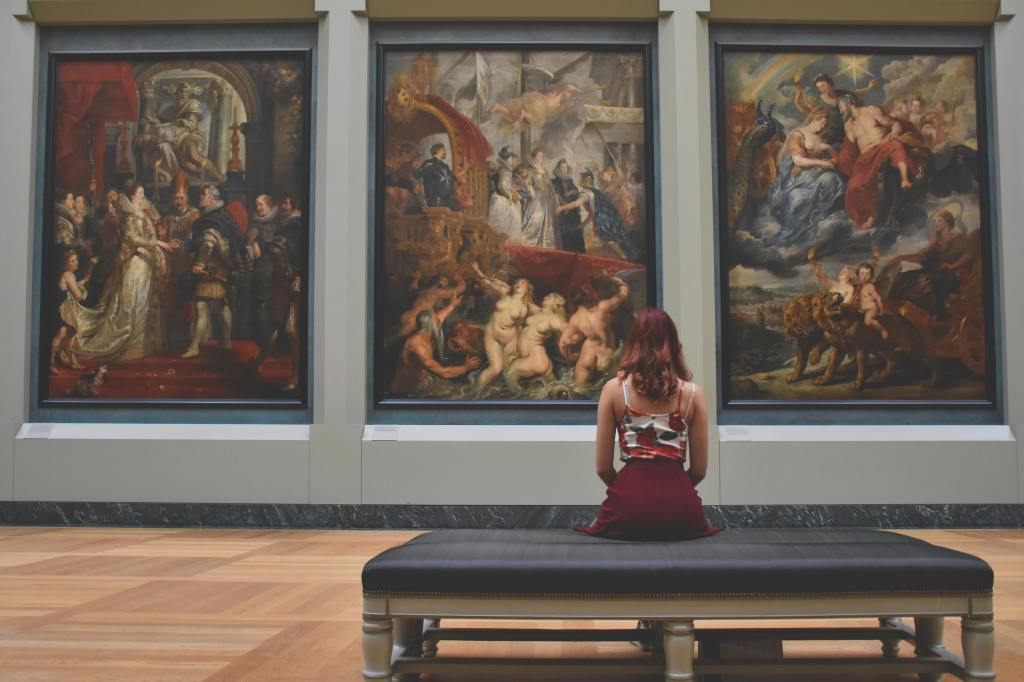
Using work as inspiration isn’t the same as copying – it’s taking an idea or an object and creating something new. As photographers, we’re already standing on the shoulders of giants simply by holding our current camera bodies and producing work – creativity also has that journey. Without Caravaggio, Rembrandt’s work would have been something other than what it was; “Rembrandt lighting” is a technique still in use today, but it’s not “copying” to use Rembrandt lighting in your studio portraiture. Go ahead and build on ideas and something amazing can happen.
 The SnapDragon